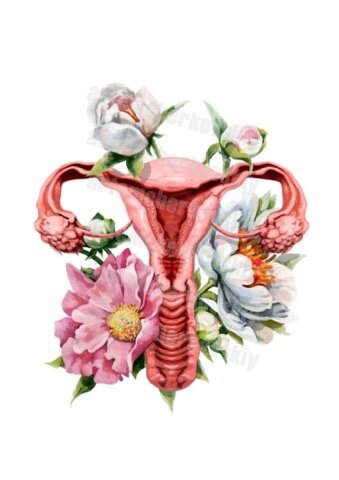
Are you estrogen dominant? And what does that mean for your health and fertility!

You may or may not of heard estrogen dominance. Estrogen is essential for many roles in the human body ranging from fertility, proper immune function, maintaining healthy bones and cardiovascular health as well as regulating blood sugar. Too much estrogen, however, can cause many unwanted symptoms and diseases. The balance of sex hormones are essential for health, fertility and preventing cancers.

Symptoms of estrogen dominance include

  • PMS- headaches, bloating, breakouts, sore breasts

  • Weight gain (particularly in hips, midsection, thighs)

  • Fibrocystic breasts

  • Uterine Fibroids

  • Endometriosis

  • Abnormal menstruation

  • Fatigue

  • Reduced sex drive

  • Depression 

  • Anxiety

  • Bloating

  • Breast tenderness

  • Mood swings

  • Brain fog

  • Insomnia

So how does estrogen dominance occur.

  • Constipation, not pooing everyday reduces the vital detoxification of estrogen which leads re circulation of estrogen in our body.

  • We are also constantly exposed to chemicals that affect estrogen levels like plastics, BPA, sulfates, phthalates, and more. Man-made products contain xenoestrogens, which means they mimic estrogen and disrupt your hormone balance. Opting for natural organic skin products and mineral makeup will reduce this exposure.

  • There’s a long list of chemicals that mimic estrogen. Here’s the short list of the more common ones you’ll see:

    • Parabens. Manufacturers use this well-known xenoestrogen as a preservative.

    • Phthalates. You’ll find phthalates in plastics and as an emulsifier and stabilizer in topical products.

    • Benzophenones. This additive alters estrogen and testosterone production. Most often, you’ll find it in sunscreens.

  • Excess body fat is one of the main causes of estrogen dominance. Not only does fat tissue absorb and store estrogen in your bloodstream, it also synthesizes estrogen from your other hormones. Maintaining a health body weigh is important

  • Your gut microbiome regulates circulating estrogen using an enzyme known as beta-glucuronidase. When your microbiome is out of balance these enzymes can’t properly metabolize estrogens.

  • Liver loaders and excess of processed foods as they effect your detoxification pathways.

So how can a nutritionist and health practitioner help you with estrogen dominance?

  • Evaluating your diet to ensure that your are consuming wholefoods with little human intervention (processed foods).

  • Including cruciferous vegetables. Indole-3 carbinol is a metabolite of broccoli and brussels sprouts which is further broken down to diindolylmethane (DIM), which increases sex hormone clearance in the liver and has been linked to reduced risk of pre-menopausal breast cancer. Supplementation with DIM alters urinary oestrogen metabolite profiles in women.

  • Magnesium is a super supplement for numerous reasons. It helps balance your sugar craving, keeps the bloat away, helps with migraines, improves sleep, and keeps your regular. It also helps balance estrogen levels by binding to xenoestrogen, eliminating them from your body.

  • Elevated levels of cortisol ( stress hormone) interfere with sexual hormone expression in various unfavorable ways. Supporting the adrenal glands and cortisol production with vitamin-C-rich foods such as berries and citrus is key. Incorporate citrus for an extra boost in salad dressings, smoothies, and as a topping to any dish. Implementing lifestyle strategies to reduce stress is also essential. For example yoga, legs against the wall and time in nature reduces your stress hormone cortisol.

  • Drive bile flow and support liver health with bitters such as leafy greens including dandelion and acids such as raw apple cider vinegar and lemon.

  • Reducing alcohol intake. Alcohol can change the way a woman's body metabolizes estrogen (how estrogen works in the body). This can cause blood estrogen levels to rise. Estrogen levels are higher in women who drink alcohol than in non-drinkers. These higher estrogen levels may in turn, increase the risk of breast cancer.

Estrogen is not the bad guy here however the balance of progesterone, estrogen and testosterone is vital through our menstrual cycle. These hormones work with each other in a harmonious way, when this is imbalanced then hormonal symptoms can start to present.

References Below

https://cebp.aacrjournals.org/content/9/8/773

https://www.sciencedaily.com/releases/1999/08/990823072615.htm

https://www.ncbi.nlm.nih.gov/pmc/articles/PMC4299758/

https://link.springer.com/article/10.1007/s11101-008-9106-4

body.jpg

alcohol and health

Goodbye booze. I’m not drinking for a month maybe longer. Why? How does alcohol affect our health? Unlike food consumption, which requires digestion, alcohol is absorbed extremely quickly, as our bodies make enzymes that break down alcohol before it even hits the digestive tract. That's why we can feel the effects fast. Once absorbed completely in the intestines, alcohol then travels via the bloodstream to the liver, activating primary detox enzyme pathways and cytochrome p450 enzymes, which prioritize getting the toxin (i.e., the alcohol) out of your body. This process creates stress on liver and therefore affects the detoxification of excess hormones and toxins. A healthy liver naturally cleanses itself it might not necessarily be functionally optimally if it’s constantly faced with dietary and environmental toxins these are also known as liver loaders. Symptoms of impaired liver function include headaches, acne and skin issues, difficulty loosing weight and fat, digestion issues and hormone imbalances. How else can alcohol affect your health? 💩Gut health It can impact your gut microbiome, the alcohol you're consuming is actually killing off some of your good gut bugs. This can create an opportunity for yeast to flare and may contribute to mood imbalances, as greater than 90% of our serotonin is made in the gut by probiotic bacteria. Do you think alcohol affects your mood the next day? 👶 Hormones and fertility Moderate alcohol intake was reported to be associated with a significant, but small, increased risk of ovulatory infertility and an increased risk of endometriosis. Alcohol can also change the way a woman's body metabolizes estrogen (how estrogen works in the body). This can cause blood estrogen levels to rise. 🧘‍♀️Estrogen levels are higher in women who drink alcohol than in non-drinkers. These higher estrogen levels may in turn, increase the risk of breast cancer. 🤯Stress hormones Researchers have found that alcohol consumption also increases the body's production of cortisol, not only while the person is drinking, but also later when the drinker is withdrawing from the effects of intoxication. In the short-term, cortisol can increase blood pressure, focus alertness and attention, but in the longer term can adversely impact body functions such as bone growth, digestion, reproduction, and wound repair. 🧏‍♀️ Alcohol and your skin When you drink your body tissues and skin are dehydrated, which cause premature aging of the skin. Dry skin is also a stepping stone to post-bingeing breakouts, I tend to breakout post drinking. The alcohol is also causing inflammation to bodily tissue, “releasing a histamine that dilates the blood’s capillaries, so that the net effect is redness of the skin.” 🥦 Alcohol depletes nutrients such as vitamin bs, magnesium, zinc and calcium. Next post is how to support your body and your liver if you had a few drinks. I’m looking forward to having a break from drinking.

18363AD0-1283-4545-8B2B-62612AB94E90.jpeg

Your period is the filth vital sign

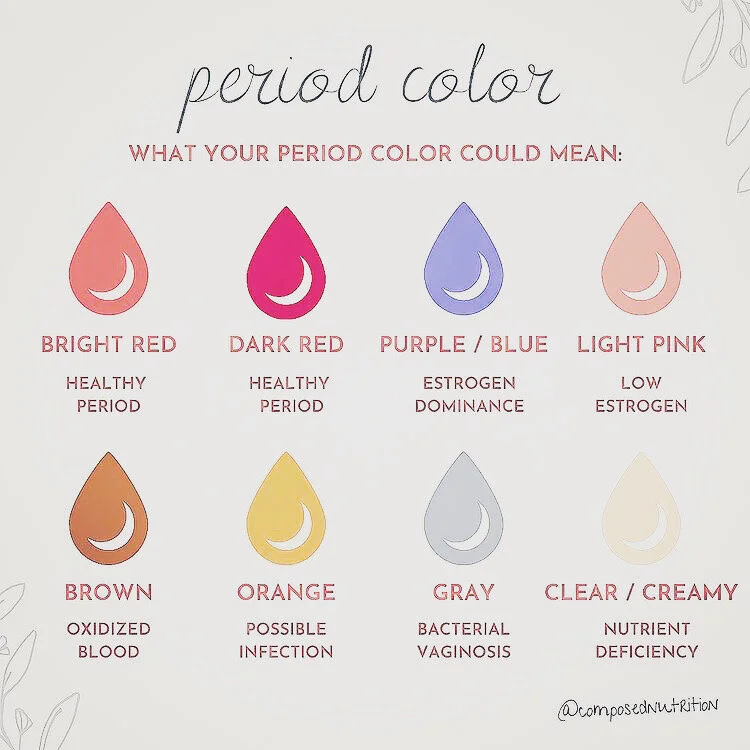
It has been stated that your period is the essential 5 vital sign. Your period is an indicator of your hormonal and general health. Tracking and paying attention to your period and your symptoms before and during your period is essential for understanding your hormones. - Is your period regular or has it changed? - Do you ovulate? - Do you have PMS symptoms of sore breasts, bloating, headaches, pain or acne? - Do you notice mood changes? - Are your periods light or heavy? - What colour is the blood? - Trouble falling pregnant? You period can indicate reproductive conditions such as PCOS or endometriosis, or issues with thyroid function or HPA axis dysfunction and nutrient deficiencies. It can show estrogen excess or progesterone deficiencies. As a clinical nutritionist and health professional I can help with your reproductive health and general wellbeing. You don’t need to suffer every month.

A4A51DF6-E0FD-44FB-A086-E7729D40EBBD.jpeg

Pooing for your hormones

Pooing for your hormones!

If you really think about it, one of the best indicators of how happy and healthy you feel probably depends on the quality and frequency of bowel movements.

Passing stool every day is essential for female hormones. Why? If your bowels aren't moving, your estrogen sticks around longer than it should and goes back into circulation in the body. You have to poop every day to get your estrogen out. Chronic consipation can lead to hormone imbalance since the hormone that's getting recycled into the body is more toxic than its original form.

This can lead to estrogen dominance. Estrogen dominance can mean that there are elevated estrogen levels in the blood. But on the other hand, estrogen levels may be normal and other hormones are below normal ranges; resulting in a dominance of estrogen in the body

Three things to help bowel movements

1. Increasing fiber
2. Exercise
3. Water

Three things to prevent estrogen dominance

1. Poo everyday
2. Increase liver supporting foods such as cruciferous vegetables
3. Maintain a healthy weight

8DD8F9DD-DCFA-4396-A8E8-3B8115AAF0AE.jpeg

Acne and milk!

Suffer from breakouts, ever thought that your diet and what you eat can make your breakouts worst? Research shows that dairy can worsen your acne and stimulate breakouts.

Dairy contains insulin growth factor 1 and research shows that milk consumption and high hyperglycaemic diets can induce insulin and IGF‐1 which can aggravate acne.

Scientific studies have demonstrated that the diet is essential in skin health, because what we eat can affect the hormones that contribute to the oil production, hyperproliferation, and inflammation that cause acne.

The two acne-promoting dietary factors that have been most extensively studied are dairy products and high glycemic load foods. These factors influence hormonal and inflammatory factors increasing acne prevalence and severity. Hormonal influences that raise insulin and insulin-like growth factor 1 (IGF-1) levels are key.

Elevated IGF-1 levels lead to changes in gene expression that cause inflammation, hormonal changes, increased oil production, and development of acne lesions.

Of important concern is that the same hormonal environment of high IGF-1 and high insulin, also promotes breast and prostate cancer, so it is important to maintain a diet that is hormonally favorable all through life. So we are the key things to reduce acne, limit or eliminate cows milk in your diet also limit and eliminate high glycemic foods such as

  • Watermelon

  • Honey

  • Doughnuts

  • French fries

  • White Rice

  • Cereals

  • White bread

  • Instant oatmeal

  • Rice pasta

  • sugar, plus many more.


Suffer from acne? The first step is eliminating dietary triggers and then advice and topical treatment from a skin clinician can reduce scarring and support healing.

For a holistic consultation and health support

Contact Vanessa

Researc

Researc

Why are you so tired all the time?

Fatigue and exhaustion are generalized symptoms. You may attribute your tiredness to stress, poor sleep, or a host of other reasons and not realize just how much nutrition or underlying conditions are playing a role. Feeling tired on a regular basis is extremely common. In fact, about one-third of healthy teens, adults and older individuals report feeling sleepy or fatigued.

Fatigue has many roots and the first step in treatment is to rule out out any obvious causes like diabetes and cardiovascular disease. Then considering the under lying causes ether being for poor sleep, chronic stress, nutrient deficiencies, food intolerance and allergies, and insufficient exercise, all of which are more obvious fatigue triggers.

Lets look in to underlying factors or conditions that could be contributing your fatigue :

Iron levels

You may not have thought about your iron levels lately, but did you know that an iron deficiency is the most common and widespread nutritional disorder in the world? It’s true: About one in five women between the ages of 15 and 45 are deficient in this crucial nutrient. It is the leading cause of fatigue among women between menstruation and menopause.

Women need twice as much iron as men due to its loss during menstruation, but the average consumption of dietary iron is only about 6 mg—one-third of the recommended daily value for women. According to the Centers for Disease Control and Prevention, the recommended daily dietary allowance for iron for most 19-to-50-year-old women is 18 milligrams (mg).

As the name implies, iron deficiency anemia is due to insufficient iron. Without enough iron, your body can't produce enough of a substance in red blood cells that enables them to carry oxygen (hemoglobin). As a result, iron deficiency anemia may leave you tired and short of breath.

Iron deficiency anemia signs and symptoms may include:

  • Extreme fatigue

  • Weakness

  • Pale skin

  • Chest pain, fast heartbeat or shortness of breath

  • Headache, dizziness or light headedness

  • Cold hands and feet

  • Inflammation or soreness of your tongue

  • Brittle nails

  • Unusual cravings for non-nutritive substances, such as ice, dirt or starch

  • Poor appetite, especially in infants and children with iron deficiency anemia

Magnesium

According to research on chronic fatigue syndrome, magnesium provides nutritional support to combat fatigue. This is because magnesium is required for the production of energy. If the body has inadequate access to magnesium, then energy production suffers, leaving you prone to fatigue. Magnesium is my go to nutrient for energy and reducing fatigue,

Thyroid function

Many people have hypothyroidism and remain undiagnosed because conventional laboratory tests come out normal. Fatigue is one of the most common symptoms of hypothyroidism, or an underactive thyroid .Low thyroid function, or hypothyroidism and 1 in 8 women will experience a thyroid issue in her lifetime. The best move you can make to get a bounce back in your step when you have hypothyroidism is to get your thyroid hormone levels back on track.

Sleep

Lack of sleep. The first three hours of sleep is the most vital so going to bed around 10-11 is utmost importance. The first three hours is when you brain, body heals and resets. It is also necessary for health and the prevention of disease including cancer, heart disease and reducing memory problems and increasing memory recall.

Adrenals and Stress

Your adrenals sit on top of your kidneys and produce the stress hormone cortisol. Chronic stress causes an initial increase in cortisol but then levels start to decline and this oftentimes manifests as burnout and fatigue. Reducing stress is key to reduce symptoms of fatigue, incorporating lifestyle tools to reduce stress levels can be essential and useful to prevent burn out.

Sex hormones

Deficiencies or imbalances in progesterone, estrogen, and testosterone in men and women often contribute to chronic, unexplainable fatigue. Pathology testing can reveal if there any hormonal imbalances.

Poor diet and nutrient deficiencies

Foods that are nutrient-rich that can help fight fatigue are not hard to find. Opt for plenty of fresh fruits and vegetables. Vegetables should not be overcooked, as doing so causes a loss of nutrients. Red meat and spinach provide needed iron, while fish such as tuna or salmon contain omega-3 fats - all of which are helpful in fighting fatigue. Proteins can also be obtained by consuming fish, lean meat and beans. Nuts offer a protein boost and are a good snack choice. Choose whole grain pasta, rice, bread and cereal to complete a well-balanced, fatigue-fighting diet. If you suspect your fatigue is due to poor eating habits, changing your diet may be all you need to feel energized daily.

Product Recommendations for Fatigue

Stress ease support -Herbs of Gold

B- Complex -Herbs of gold

Optima Relax- Medlab

You can find these products on my online nutrition store

Consult

If you are feel tired or have ongoing fatigue that no matter how many hours your sleep you still wake up feeling tired. Contact myself for a consultation, we will go over diet, pathology testing and lifestyle factors that could be contributing to how you feel.

Email

hello@thenourishedco.com.au

Or

Book online under the booking tab

sleep.jpg

Healthy gut healthy periods

99103834_982714598809366_5770249065656745984_n.jpg

A healthy period is linked to healthy digestion, you cannot have a healthy period until you have a healthy gut.

Healthy gut bacteria or the gut microbiome affects your hormone health. Dysbiosis of the gut is the imbalance of good bacteria and bad bacteria, this can affect your nervous system, thyroid function and impair estrogen metabolism.

Estrogen metabolism is essential for healthy periods and to prevent estrogen dominant cancers.

Tips for a healthy gut and to support liver detoxification.

- Eat a diet which contains a variety of fruits and vegetables, these foods will feed your gut bacteria.

- Reduce stress, stress affects your digestion by increasing gut permeability. When the gut is "leaky" the bacteria and toxins can enter the bloodstream which may cause widespread inflammation and possibly trigger a reaction from the immune system. Supposed symptoms of leaky gut syndrome include bloating, food sensitivities, fatigue, digestive issues and skin problems.

- Reduce processed foods.

- Get enough sleep, inadequate sleep can lead to dysbiosis of the gut.

- Consider a probiotic supplement.

- Avoid high sugar foods as this can feed bad bacteria in the gut.

- Poo everyday, this is essential for eliminating toxins and estrogen.

- Support the liver with cruciferous vegetables such as broccoli, cauliflower, kale and brussel sprouts.

- Eat plenty of leafy greens.

- Drink dandelion tea, this tea is great support for liver detoxification.

- Drink 8 glasses of water a day.

- Reduce alcohol and coffee intake, these are liver loaders which can put stress on the liver.

I offer Telehealth consultations.
Check out www.thenourishedco.com.au

Hormones and Acne

A little break down of acne. There are so many factors that can be contributing to acne.

Possibly underlying causes of acne

  • hormones imbalances

  • liver congestion

  • gut inflammation

Hormones that affect acne

  • Estrogen

  • Progesterone

  • Testosterone

  • Insulin

  • Cortisol (stress hormone)

Possible causes of acne

  • Going of the pill

  • Stress

  • PCOS

  • Insulin sensitivity

  • inflammatory foods/ dairy, refined sugars

Functional nutrition and diet and lifestyle for acne

  • balances hormones

  • heal your gut

  • support you liver function and detoxification

  • reduce stress

  • balance blood sugar levels

Women .jpg

Nutritionists tips for sleep and health

Sleep is essential for health!

Now we are beginning to understand the importance of sleep to overall health and well-being. Studies have shown for example, that when people get less than 6 to 7 hours of sleep each night, they are at a greater risk of developing diseases.

It is recommended at least 8 hours a night! I am sure you have heard this before and if we had a terrible night sleep we certainly feel it the next day. Our skin lacks that glow, we crave sugar or coffee and just generally struggle with our mood. Unfortunately I am a terrible sleeper, especially if i am stressed.

Sleep is required for hormones, immunity, metabolism and support brain function. This is also the time for our bodies to repair and rest.

Tips for restful sleep

  • Stop consuming coffee and caffeine before 1pm

  • Exercise improves quality of sleep, at least 20 mins a day

  • Stimulating the calming nervous system is also key, so putting your legs against the wall for 20 minutes is a great way to relax at the end of the day

  • Frequently changing your sheets

  • Hot showers before bed are the best, it has shown it helps to relax the nervous system and you can fall asleep quicker

  • Going to the bed at the same time most nights

  • Having a bath with epsom salts and lavender for max 30 mins

  • Limit alcohol

  • Limit screen time

  • Brain dumping (Journaling) for 10 mins is great way to release and acknowledge your thoughts especially when you tend to over think at night

  • Reading or listening to a book

  • Try a weighted blanket

  • Cut off phones, laptops and tv 1-2 hours before bed

  • Track your menstrual cycle, at points of your cycle our hormones impact how we sleep

  • Not having dinner too late at night and be aware of your portion as this can impact your sleep

  • There are nutrients that aids sleep in particular magnesium and tart cherry juice

For more information on how you can support your sleep and health contact Vanessa.

Sleep .jpg

Managing your mental health and health during the covid lockdown.

Shits pretty real right now and we are in this together.

The past week I have felt really worried, I am by nature a worrier. So currently the unknown of what the next few months hold is top of mind. I feel emotional, worried, anxious and I really miss my family.
These are all totally normal feelings.

COVID-19 brings with it many worries that can make stress, low mood and loneliness more likely. So how do we support our mental health and overall wellbeing at time of such uncertainty.

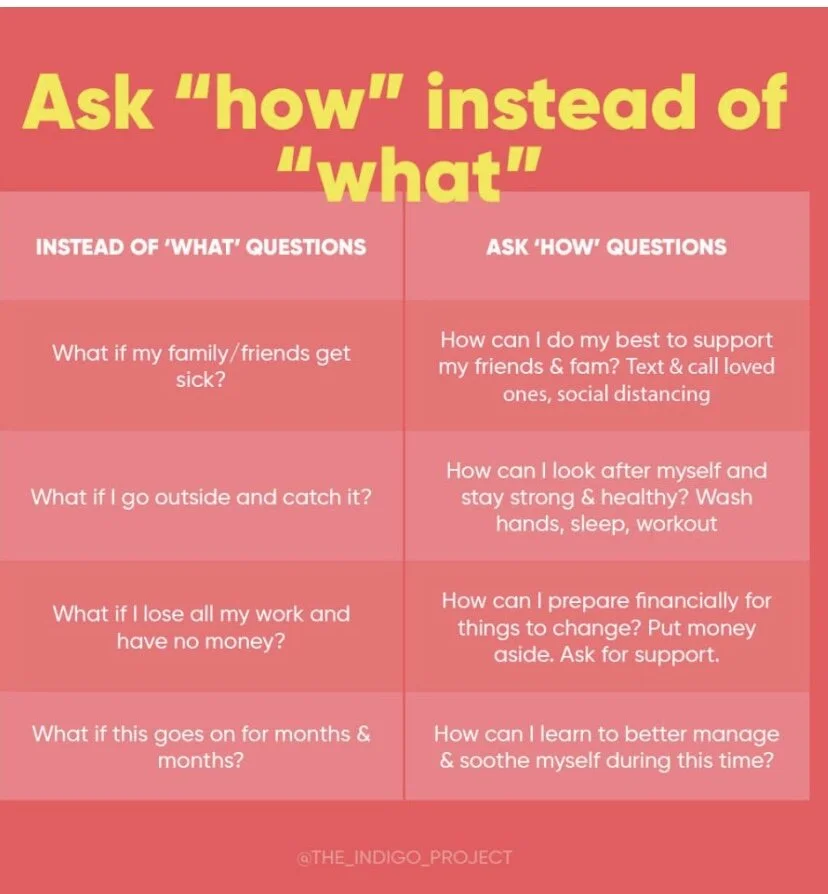
We can reframe our self talk, the following picture was done by Sydney psychologists.

Adjustments.jpeg

While we social distant ourselves and self isolate this can be confronting at times.

You may find it helpful to structure your day to manage worry or boredom with activities such as

  • gardening

  • painting

  • yoga- home practice

  • meditation including legs against the wall

  • spring cleaning

  • Skype or facetiming friends and family

  • reading

  • cooking healthy nutritious food

  • journal how you feel

  • watch your favourite tv show

  • have a bath

  • play board games

  • home workouts

  • listen to a podcast

  • limit watching the news to half an hour a day

  • talk a walk

alone.jpg

Being compassionate is incredibly powerful in scary times towards to yourself and others. Be kind, be soft, its okay to feel anxious and fearful, this is human. Maintain physical separation but emotional and social connection.

Its okay not to feel okay, however many psychologists do online zoom or skype consultations, please reach out for professional help.

Endometriosis

Endometriosis

Most women who have endometriosis suffer from symptoms such as pain before and during menstruation, pain during and after sex, lower back pain and abdominal/pelvic pain, heavy and prolonged bleeding, irregular cycle, bowel irregularity’s such as constipation, diarrhea and abdominal bloating. 1 in 10 women are estimated to have endometriosis.

The tissue found in the uterus (Endometrium) grows on other pelvic organs such as the ovaries, bowel or fallopian tube. This tissue thickens and bleeds just like the tissue does during the menstrual cycle. This tissue trapped in your pelvis can cause irritation, adhesion’s, fertility problems and severe debilitating pain during your periods. It was noted that 35% of infertile women may have endometriosis.

Endometriosis is an reproductive inflammatory condition that is influenced by the immune system and potentially a microbial disease. Despite the high prevalence of the disease, not much is known about what causes it, however there is some discussion around genetics. A number of dietary, inherited and lifestyle factors can influence the risk of developing endometriosis.

Diet

The intake of red meat either as processed or unprocessed is a major culprit in promoting endometriosis risk.  Also it has been stated that A1 casein from cow’s dairy, and possibly egg can increase inflammation. It is recommenced to completely avoid dairy during a test period of eight weeks.

There is a link between celiac disease and endometriosis, one study showed that going gluten free for 12 months has shown to reduce painful symptoms (If you eliminate food groups please get guidance from a professional to prevent nutrient deficiencies).

Gut bacteria

Bacteria is crucial to the normal functioning of the human body, and the idea behind probiotics is that consuming certain kinds of bacteria can help improve health. The female reproductive tract is reported to be mainly colonized by Lactobacillus species in healthy subjects of reproductive age.

One study suggests that endometriosis is associated with changes in normal bowel flora, therefore inclusion of live cultures of lactobacillus bacteria can be useful in endometriosis suffers. Another study showed some beneficial effects of lactobacillus administration on endometriosis-related pain.

The findings also suggest that bacteria in the gut microbiome may help drive, or prevent, progression of the disease. This shows that what you eat can affect the bacteria in the gut, and that can promote endometriosis, so it's important to have healthy habits and to make sure you are harbouring good bacteria so you reduce the progression disease and the pain associated with it.

In a new animal study treating with metronidazole (Antibiotic) can reduced the size of endometriosis-related lesions in the gut, this new research is promising in the treatment of endometriosis.

Nutrients that reduce endometriosis

  • Zinc- supplementation may open up a effective therapeutic approach for patients with oxidative stress-related endometrial diseases.

  • N-Acetylcysteine (NAC)-  results clearly show that by targeting various molecular and biochemical pathways involved in the initiation and maintenance of this disease, NAC effectively treats ovarian endometriosis.

  • Turmeric- studies have shown that curcumin regulates diverse molecular targets implicated in inflammation. 

  • Calcium D-glucarate can benefit oestrogen dominance which can be linked to endometriosis.

  • Omega 3 -Research shows that omega-3 fatty acids reduce inflammation. The best sources of omega-3 are oily fish such as salmon, mackerel, sardines, trout and herring.

Your diet and the benefits.

Maintaining a healthy diet is always important and especially so for anyone dealing with a chronic, debilitating condition. Incorporating a wholefood diet can be beneficial for endometriosis. Diet and nutrition have come of age to be at the forefront in the fight against endometriosis, based on recent evidence-supported studies.

Contact Vanessa for a consultation.


AFDB9E8E-2CF4-4EC9-9ABB-11A6EFD8BC03.jpg

coronavirus - How can you support your immune system?

Coronavirus COVID-19 is spoken about worldwide and there is alot of fear around this. As we are transitioning into autumn and winter, I thought it would be appropriate to do a post on how you can support yourself and your family’s immune system.

There are certain nutrients that boost and support your immune function. Studies look at nutrition modulation of immune function. It is well-established that a nutritional deficiency or inadequacy can impair immune function. Growing evidence suggests that for certain nutrients increasing the intake may help optimize immune functions. Therefore improving defense function and thus resistance to infection.

Supporting your immune system and your body is key.

Nutrients include:

  • Vitamin D has shown that it can significantly influence the adaptive immune response. Vitamin D can affect different aspects of immune functions, adequate intake of vitamin D can strengthen support the body’s defense against infection including viruses therefore aiding the innate immunity.

  • Zinc deficiency and inadequacy are estimated to affect 30% of the world's population, zinc supplementation can reverse an impairment in the immune system.

  • Vitamin C- intravenous vitamin C is currently being used in China against COVID-19. Vitamin C contributes to immune defense by supporting and directly stimulating various cellular functions of both the innate and adaptive immune system. 

  • Medicinal mushrooms possess a variety of bioactive compounds with immunomodulatory activities. Research has shown that they have powerful constituents called beta-D-glucans, beta-glycosides, and other substances that have been determined in research to significantly stimulate our innate immune system.

Incorporating a wholefood diet that is limited in processed foods is one of the best ways to nourish your body and boost your immune system. Eating an abundance of fresh seasonal vegetables, fruit, eggs, meat (Organic and free range if possible), fish, nuts, seeds, wholegrain and legumes is essential for optimal health.

Lifestyle factors

Sleep is also key for health, lack of and poor quality sleep can affect your immunity. Sleep and the circadian system exert a strong regulatory influence on immune function. Incorporating sleep hygiene can lead to improved sleep.

Stress can impact your immune function. I know at current times we cant help but feel stressed and worried, however trying to be present and not worry about about the future is key. Practicing mindfulness and being present can be helpful to how we cope with stress. Mindfulness meditation, the practice of paying more attention to the present moment, helps lower stress hormones and decreases inflammation in the body.

If you want guidance on your immunity and boosting your health,

Contact Vanessa at hello@thenourishedco.com.au

Progesterone - Nutritionist Blog

Progesterone

Progesterone is a female sex hormone and belongs to a group of steroid hormones called progestogens. Progesterone is essential for ovulation, fertility and pregnancy. It is at it highest in the second half of the menstrual cycle. Progesterone isn’t just important for hormonal health, it has key benefits for the body. Every month a high dose of progesterone is stimulated, this is natural and a beneficial part of our cycle.

  • Progesterone promotes a feeling of calm therefore helping feelings of anxiety or stress.

  • It boosts energy levels.

  • Reduces inflammation.

  • Regulates immune function.

  • It also supports thyroid function, brain and bone health.

Progesterone deficiency is common among women, this means that we have lower than ideal levels of progesterone. It was stated that 50% of women may have an imbalance of estrogen and progesterone. If progesterone is absent or levels are too low, irregular and heavy menstrual bleeding can occur. A drop in progesterone during pregnancy can result in a miscarriage and early labour. Lack of progesterone in the bloodstream can mean the ovary has failed to release an egg at ovulation.

It has been stated that ovulation is a creator of good health and long term benefits include reduces risk of heart disease, dementia and osteoporosis. This really highlights how important progesterone is for ovulation and for our health.

progesterone.jpg

Nutrients that help with healthy progesterone levels are

-          Zinc and Vitamin c

-          Magnesium

-          Vitamin b6

Foods that help progesterone include

  • Fats found in salmon, avocado, olive oil, nuts and butter. Foods that contains healthy fats and cholesterol is necessary for the synthesis of pregnenolone which is the precursor to progesterone.  Women who need to balance and support hormones require 2 tablespoons of healthy fats at every meal.

  • Zinc is found in oysters, beef, lamb, pork, egg, yolks, pumpkin seeds, chili powder and oats.

  • Magnesium is found in dark leafy greens including vegetables, almonds and brown rice.

  • Vitamin b6 is found in fish, chicken, eggs, bananas and walnuts.

Lifestyle

-          Make sure you work on your sleep with the optimal amount of 8 hours a night.

-          Reduced stress as cortisol our stress hormone suppresses progesterone production.

-          Restorative yoga to stimulates the soothing nervous system (parasympathetic nervous system).

For a healthy menstrual cycle optimal production and balance of hormones including progesterone and estrogen is indispensable. For a consultation and guidance for you hormonal health contact Vanessa today.

Nutritionist post-how your diet affects your skin.

How does diet affect your skin? Beauty through nutrition!

We spend a lot of time on our skin with products and treatments but addressing your diet and what you eat is the best thing you can do for your skin.

Your skin health is a reflection of what is happening internally so regardless how expensive that serum is or number of beauty treatments you have nutrition is the foundation for good skin health. The link between eating habits, health, and physical appearance is becoming increasingly evident and has made some consumers all over the world open to the concept of nutritional beauty.

Studies show that certain nutrients can protect against photo damage and premature aging, and others can accelerate damage and disease.

Foods that damage the skin and leading to premature aging includes processed foods such as sugar laden foods like sweets, soft drinks, baked goods and refined carbohydrates like chips, pastries and white bread. One study demonstrated that glycation which is the binding of sugar molecules to collagen fibers leads to premature aging. Numerous publications have demonstrated acceleration of the aging process by Advanced Gycation End products (AGEs). Exogenous AGEs in dietary foods also trigger organ dysfunction and tissue aging.

Dairy products like milk and cheese contains insulin growth factor 1 which may cause and be involved in the pathogenesis of acne. If you suffer from breakouts and acne it is recommended to reduce and cease dairy intake.

Gut health is also important to consider, this is known as the gut- skin axis. Gut or Intestinal dysbiosis, is a state of microbial imbalance which has the potential to negatively impact skin function. This can lead to acne, dermatitis and psoriasis.

So what foods help skin health and lead to that beautiful health glowing skin?

Foods such as

  • Fresh vegetables - broccoli, sweet potato, capsicum, avocados, pumpkin, carrots and spinach.

  • Fruits - berries, cherry’s, oranges, kiwi fruit.

  • Nuts- almonds, Brazil, walnuts, pumpkin seeds.

  • Omega rich foods- oily fish, chia seeds, walnuts and flaxseeds.

  • Fermented foods such as yogurt, kimchi, sauerkraut, kefir, Kombucha, tempeh.

These foods can prevent and slow down the aging process therefore leading to youthful glowing skin. Healthy skin comes from within. Once you make changes to your diet, don't expect an overnight miracle. It takes six weeks for new skin to emerge up to the surface, so the visible benefits from dietary changes will take just as long.

Enjoy the below image, I couldn’t help but add it. Too funny.

food-skin-health.jpg

Nutritionist post- A diet rich in fruit, vegetables and fish can reduce risks of depression!

A recent randomized controlled trial showed evidence that a healthy diet that consisted of vegetables, fruits and fish reduced the risk of depression.

Before and after the intervention, the researchers assessed participants' scores for depression, anxiety and overall mood, and their performance on several learning and reasoning tasks.

There were two groups, one groups diet was healthy whilst the other was a poor diet which comprised of highly processed foods, sugar, and saturated fats.

At the end of the three weeks, the diet change group had successfully maintained a healthy diet and showed significant improvement in mood, with depression scores shifting into the normal range. The regular diet group's depression scores remained stable in the moderate-to-high range.

The authors of the study commented that a diet high in vegetables, fruits, fish and olive oil with a reduction of processed foods improves depressed symptoms in adults.

Food impacts mood- a well balanced diet is essential for your body and mind. Consuming a balanced diet rich in vegetables, fruits, wholegrain, fish and nuts will have all the nutrients it requires for good health, including good mental health.

V

Nutritionist Favourite Tea- Green tea

Green tea has a number of health benefits.

Friends that know me well, know I drink green tea all day.

Benefits include

🌿antioxidant rich

🌿anti inflammatory

🌿has L-theanine which is a calming amino acid that may lower anxiety and increase relaxation

🌿great for glowing skin

🌿may improve cognitive function

Green tea does contain caffeine and can inhibit iron absorption. Therefore if you take an iron supplement take the supplement 3 hours after green tea consumption 🍵

Nutritionist Post - How our menstrual cycle affects exercise.

Exercise and training with your menstrual cycle.

Being a woman, our hormones have a considerable influence on our bodies. Levels of sex hormones, such as estrogen and progesterone, fluctuate naturally throughout the different stages of a woman's life. In women, steroid hormones are mostly synthesized in peripheral glands and the adipose tissue as well as in the brain. But did you realize that where you are in your menstrual cycle impacts how you train and workout?

The first half of our cycle ( Day 1 of our period) to day 14 is our low hormone or follicular phase. This is the prime time to exercise. The first half of our cycle is when we are stronger, we burn more fat, recover faster and have more energy.

The second half of the menstrual cycle is the phase after ovulation and before our period. This is when our progesterone and hormones are high. Also know as luteal phase, Therefore we experience more fatigue and PMS symptoms start to set in. This is when restorative exercise is best for example walking and yin yoga.

I recommend all of my female patients to track their cycle, we can then establish where you are in your cycle. It is great for us to know when the last period started and ended and report any irregularities or changes. In addition tracking ovulation, which is essential for hormone health and fertility.

Along with tracking your menstrual cycle using it to track other health aspects including physical and mental well-being can benefit. Our cycle can impact other aspects of health and tracking our cycle can be a great way to monitor our own health. Therefore understanding any changes so you can effectively manage them.

REPRO.jpg

Nutritionist tips for lung health

The smoke around New South Wales and Sydney is horrible. We are experiencing very high levels of air pollution.

What can we do to support lung health and detoxification? Wildfire smoke is a combination of particles and gases, both of which can cause irritation and damage to sensitive mucosa in the lungs. The damage occurs via oxidative stress, so eating nutritious food and taking antioxidant supplements can counter the negative effects.

N-acetylcysteine also known as NAC is a nutrient that can benefit lung health, with our current exposure to smoke. It has a number of health benefits including fertility, inflammation and also detoxification. NAC benefits lung health by supporting breathing by reducing inflammation in the lungs and elimination of toxins. This nutrient has anti oxidant properties by replenishing the master antioxidant glutathione. If you suffer from asthma and bronchitis this nutrient may help lung health. Stay safe Australia.

lungs.jpg

Nutritionist post - Are you getting enough Protein?

Are you getting enough protein in your diet? How much should you be having?

Protein is broken down in the body into amino acids. There are 20 amino acids, 10 are essential amino acids. Protein is essential for a number of body functions including immune function, hormones, neurotransmitters, sleep, digestion, cellular & tissue fluid regulation, muscle, hair and skin.

The average person requires 1 gram of protein to 1 kg, which means if you weigh 65 kgs you need around 65 grams of protein. As a woman protein is a must for building muscle or weight loss. When we consume protein, it takes more energy to digest it than other foods therefore burning calories when we break it down.

There are two types of protein complete and non complete. This means that complete protein contains all the 10 essential amino acids. Animal protein is complete and plant sources are incomplete. When consuming plant sources of protein combining different sources can make it a complete protein.

Here is a list of different vegetarian sources of protein

protien.jpg+3.jpg

Nutritionist Tips for Optimal Digestion

Tips for better digestion!
Digestion is essential to every aspect of our well being. It’s the way we get nourishment and we couldn’t survive without it. Supporting gut health and digestion is complex and related to how we feel everyday.
As a practitioner here are tips that I give to my clients.

- Most importantly eat unprocessed wholefoods, you need these nutrient rich foods to support digestive function.
- Drink water an hour each side of each meal, don’t drink water with meals as this can dilute your digestive enzymes which helps to breakdown food.
- Slow down and chew your food.
- Mindfully eat, don’t stare at your phone, stand up eating or watch tv. Be present.
- Wake up your stomach acid in the morning, start your day with apple cider vinegar, just a small amount.
- Include bitter foods, if you get bloating with meals or feel sluggish have a small cup of dandelion tea 1 hour before a meal.
- Take three deep breaths before each meal to stimulate the rest and digest part of the nervous system.

Seeing a clinical nutritionist can help if you experience food intolerance’s or abnormal digestive function. Contact me for a consultation.

digestion.jpg